



 Turntable Accessories
 Headphone Accessories
 Cable Accessories
 Vinyl Accessories
 Compact Disc Accessories

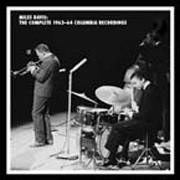
New 2025 collection! From a very meticulous collector, this comes from a collection great highly sought-after items! Long Out Of Print, won't last long! Only 1 Copy Available!
Vinyl Grade: Sealed
Jacket Grade: Mint
Its one thing to visit the art of Picasso in a museum. And something different to have watched over his shoulder as he painted. . .
The extraordinary recordings made by Miles Davis in the two-year period of 1963-1964 provide comparable insight into his artistic process, his restless search, and his creative rebirth. Collected at long last on LP in one set by Mosaic Records, with edited portions restored and many forgotten tracks included for the very first time, the selections allow you to follow the steps he took, one by one, change by change, until he arrived at the nucleus of the quintet music he would be making for the rest of the decade.
Its an unusually revealing collection. Since most of the set was recorded in concert, in many cases the same tunes all stalwarts from Miles book at the time get rethought, reconfigured, and completely reexamined. Its fascinating to hear tunes evolve as different personnel attempt them. Electrifying to notice renewed excitement in Miles soloing.
Time For A Change
Miles Davis entered the 1960s having traveled a great distance with his contemporaries. But ill health and instability in his band limited his work and diminished his spirit.
In 1963, Miles was ready to work again, but he needed a new band and that is the evolving story told here in music.
The New Generation
For a West Coast tour, Miles brought tenor saxophonist George Coleman and bassist Ron Carter, picking up pianist Victor Feldman and drummer Frank Butler in LA. The tour ended with two days in the studio; Miles found a spark of energy again. Swinging, harmonically sophisticated, at times moody and mellow, at others blisteringly alive, Miles and the band delivered new approaches to familiar standards and added a couple of new tunes by Feldman to the repertoire (Joshua and Seven Steps to Heaven).
Back in New York, Davis assembled Coleman, Carter, Herbie Hancock and 17-year-old Tony Williams in his brownstone for a rehearsal, while Miles listened from the next room. For the first time in a while I found myself excited inside, he reported in his autobiography. In the studio, they took another stab at three tunes Miles had recorded in California. He was right. This band was the real thing. They also comprised the first group Miles led entirely with personnel a generation younger than he was.
Trouble with Columbia
Miles was ready to hit the road again, and did so angry at his record label for releasing the Quiet Nights LP he hadnt authorized. He did not return to the studio until 1965 and fulfilled his contractual obligations instead with recordings from concerts at Antibes, Philharmonic Hall in New York, Tokyo, and Berlin. As listeners, we are the beneficiaries of his dispute with his label.
Tempo, harmonies and song structures were pushed to the limit by a rhythm section that played like one complex organism. Miles an incomparable showman could spill out dazzling currents of music when he wanted to, and on these dates, he wanted to. George Coleman, a perfectionist on saxophone, played some of the best music of his career.
On the Road Again
By the time they were ready to leave for Japan, Coleman, uncomfortable with the new direction of the group, gave notice. Tony Williams brought a mentor of his, Sam Rivers, into the band. Rivers brought a different aesthetic to the band; more abstract, bolder, less married to tradition, though he had no trouble playing within song structures when thats where his ideas led.
Back in New York, Miles decided he wanted a new saxophonist. For years, he had been trying to pry Wayne Shorter loose from Art Blakeys band. Shorter finally agreed to make the switch.
The addition of Shorter made the transformation complete. The band could be unusually tender, teasingly provocative, or tumultuously robust. Extraordinary experiments, like abandoning time or altering or suspending structure only to magically slide back into the song, appeared to happen organically. You can hear in it all a preview of the revolution this group would bring to music.
The Recordings
The set contains the complete LA and New York sessions for Seven Steps To Heaven with four unissued performances and the New York concert (issued on My Funny Valentine and Four & More) in performance order with one unissued tune, all remixed from the original three-track masters. Miles Davis in Europe restores three tunes to their full length and adds two more. Miles in Tokyo is Sam Riverss only recording with the band. Miles in Berlin with an additional tune introduces Shorter.
In all, the Mosaic set includes 10 QLPs, our highest quality vinyl discs, featuring 46 cuts. All but Miles In Berlin were taken from their original analog sources.
As always, the set includes our booklet featuring an extensive historical account and track-by-track analysis by Bob Blumenthal, a complete discography, and many rare photographs from the era.
More Miles is always a wondrous promise of discovery. Presented as it is here, its an enticement impossible to refuse.
Selections:
LP1
1. Joshua
2. I Fall In Love Too Easily
3. Baby, Won't You Please
4. So Near, So Far
5. Basin Street Blues
6. Seven Steps To Heaven (Take 3)
LP2
1. Seven Steps To Heaven (Take 5)
2. Summer Nights
3. Seven Steps To Heaven (Rehearsal Take)
4. Seven Steps To Heaven
5. So Near, So Far
6. Joshua
LP3
1. Introduction By Andre Francis
2. Autumn Leaves
3. Milestones
4. I Thought About You
5. Joshua
LP4
1. All Of You
2. Walkin'
LP5
1. Bye Bye Blackbird
2. Bye Bye (Theme)
3. Intruduction By Mort Fega
4. Autumn Leaves
5. So What
LP6
1. Stella By Starlight
2. Walkin'
3. All Of You
4. Go-Go (theme and announcement)
5. Introduction to Billy Taylor
6. All Blues
LP7
1. My Funny Valentine
2. Joshua
3. I Though About You
4. Four
LP8
1. Seven Steps To Heaven
2. There Is No Greater Love
3. Go-Go
4. Introduction By Teruo Isono
5. If I Were A Bell
6. My Funny Valentine
LP9
1. So What
2. Walkin'
3. All Of You
4. Go-Go (Theme)
5. Milestones
LP10
1. Autumn Leaves
2. So What
3. Stella By Starlight
4. Walkin'
5. Go-Go (Theme)
Vinyl Grade: Sealed
Jacket Grade: Mint
Its one thing to visit the art of Picasso in a museum. And something different to have watched over his shoulder as he painted. . .
The extraordinary recordings made by Miles Davis in the two-year period of 1963-1964 provide comparable insight into his artistic process, his restless search, and his creative rebirth. Collected at long last on LP in one set by Mosaic Records, with edited portions restored and many forgotten tracks included for the very first time, the selections allow you to follow the steps he took, one by one, change by change, until he arrived at the nucleus of the quintet music he would be making for the rest of the decade.
Its an unusually revealing collection. Since most of the set was recorded in concert, in many cases the same tunes all stalwarts from Miles book at the time get rethought, reconfigured, and completely reexamined. Its fascinating to hear tunes evolve as different personnel attempt them. Electrifying to notice renewed excitement in Miles soloing.
Time For A Change
Miles Davis entered the 1960s having traveled a great distance with his contemporaries. But ill health and instability in his band limited his work and diminished his spirit.
In 1963, Miles was ready to work again, but he needed a new band and that is the evolving story told here in music.
The New Generation
For a West Coast tour, Miles brought tenor saxophonist George Coleman and bassist Ron Carter, picking up pianist Victor Feldman and drummer Frank Butler in LA. The tour ended with two days in the studio; Miles found a spark of energy again. Swinging, harmonically sophisticated, at times moody and mellow, at others blisteringly alive, Miles and the band delivered new approaches to familiar standards and added a couple of new tunes by Feldman to the repertoire (Joshua and Seven Steps to Heaven).
Back in New York, Davis assembled Coleman, Carter, Herbie Hancock and 17-year-old Tony Williams in his brownstone for a rehearsal, while Miles listened from the next room. For the first time in a while I found myself excited inside, he reported in his autobiography. In the studio, they took another stab at three tunes Miles had recorded in California. He was right. This band was the real thing. They also comprised the first group Miles led entirely with personnel a generation younger than he was.
Trouble with Columbia
Miles was ready to hit the road again, and did so angry at his record label for releasing the Quiet Nights LP he hadnt authorized. He did not return to the studio until 1965 and fulfilled his contractual obligations instead with recordings from concerts at Antibes, Philharmonic Hall in New York, Tokyo, and Berlin. As listeners, we are the beneficiaries of his dispute with his label.
Tempo, harmonies and song structures were pushed to the limit by a rhythm section that played like one complex organism. Miles an incomparable showman could spill out dazzling currents of music when he wanted to, and on these dates, he wanted to. George Coleman, a perfectionist on saxophone, played some of the best music of his career.
On the Road Again
By the time they were ready to leave for Japan, Coleman, uncomfortable with the new direction of the group, gave notice. Tony Williams brought a mentor of his, Sam Rivers, into the band. Rivers brought a different aesthetic to the band; more abstract, bolder, less married to tradition, though he had no trouble playing within song structures when thats where his ideas led.
Back in New York, Miles decided he wanted a new saxophonist. For years, he had been trying to pry Wayne Shorter loose from Art Blakeys band. Shorter finally agreed to make the switch.
The addition of Shorter made the transformation complete. The band could be unusually tender, teasingly provocative, or tumultuously robust. Extraordinary experiments, like abandoning time or altering or suspending structure only to magically slide back into the song, appeared to happen organically. You can hear in it all a preview of the revolution this group would bring to music.
The Recordings
The set contains the complete LA and New York sessions for Seven Steps To Heaven with four unissued performances and the New York concert (issued on My Funny Valentine and Four & More) in performance order with one unissued tune, all remixed from the original three-track masters. Miles Davis in Europe restores three tunes to their full length and adds two more. Miles in Tokyo is Sam Riverss only recording with the band. Miles in Berlin with an additional tune introduces Shorter.
In all, the Mosaic set includes 10 QLPs, our highest quality vinyl discs, featuring 46 cuts. All but Miles In Berlin were taken from their original analog sources.
As always, the set includes our booklet featuring an extensive historical account and track-by-track analysis by Bob Blumenthal, a complete discography, and many rare photographs from the era.
More Miles is always a wondrous promise of discovery. Presented as it is here, its an enticement impossible to refuse.
Selections:
LP1
1. Joshua
2. I Fall In Love Too Easily
3. Baby, Won't You Please
4. So Near, So Far
5. Basin Street Blues
6. Seven Steps To Heaven (Take 3)
LP2
1. Seven Steps To Heaven (Take 5)
2. Summer Nights
3. Seven Steps To Heaven (Rehearsal Take)
4. Seven Steps To Heaven
5. So Near, So Far
6. Joshua
LP3
1. Introduction By Andre Francis
2. Autumn Leaves
3. Milestones
4. I Thought About You
5. Joshua
LP4
1. All Of You
2. Walkin'
LP5
1. Bye Bye Blackbird
2. Bye Bye (Theme)
3. Intruduction By Mort Fega
4. Autumn Leaves
5. So What
LP6
1. Stella By Starlight
2. Walkin'
3. All Of You
4. Go-Go (theme and announcement)
5. Introduction to Billy Taylor
6. All Blues
LP7
1. My Funny Valentine
2. Joshua
3. I Though About You
4. Four
LP8
1. Seven Steps To Heaven
2. There Is No Greater Love
3. Go-Go
4. Introduction By Teruo Isono
5. If I Were A Bell
6. My Funny Valentine
LP9
1. So What
2. Walkin'
3. All Of You
4. Go-Go (Theme)
5. Milestones
LP10
1. Autumn Leaves
2. So What
3. Stella By Starlight
4. Walkin'
5. Go-Go (Theme)



 FREE SHIPPING